
While we acknowledge the progress we have made in the representation of women in political parties and government, momentum has been lost in developing and educating girls to fill these positions in future. Violence and abuse at home, in schools and their communities continue to be some of the greatest barriers to education for girls, negatively impacting on their ability to complete their education, compete in the job market, and become truly independent. In addition, they are vulnerable to the effects of poverty, HIV infection, teenage pregnancy, substance abuse and other risky behaviours which undermine their education.
Research shows that a rights-based education, rooted in gender equality, and especially the education of girls, leads to improved economic growth and sustainability, a reduction in HIV transmission and the improved health of children. South Africa has various initiatives, such as the UNICEF-inspired Girls’ Education Movement/Boys’ Education Movement, to mobilise communities to support girls’ education and completion by:
- Giving girls equal access to education
- Improving the quality of education, especially in disadvantaged rural schools
- Making the school curriculum and school books gender responsive
- Creating schools that are safe and secure for children, especially girls
- Working with boys as strategic partners
- Reducing gender-based violence
- Abolishing harmful cultural practices such as early marriage for girls
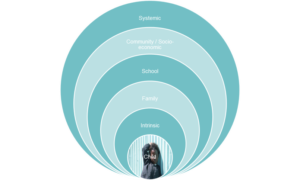
We honour the women who have struggled for a constitution that reflects equity and redress. This woman’s month we continue to call on schools, families, communities and the state, to commit funding, time and resources to an education system that delivers on quality, equity and inclusion.
Author: Vanessa Japtha (IESA Advocacy Officer)
Click on these resources below for more information:
http://www.unicef.org/southafrica/education_4718.htm
http://www.unicef.org/southafrica/SAF_resources_gembrief.pdf